
Keynote & Invited Speakers
Keynote Speakers
Keynote Speaker I
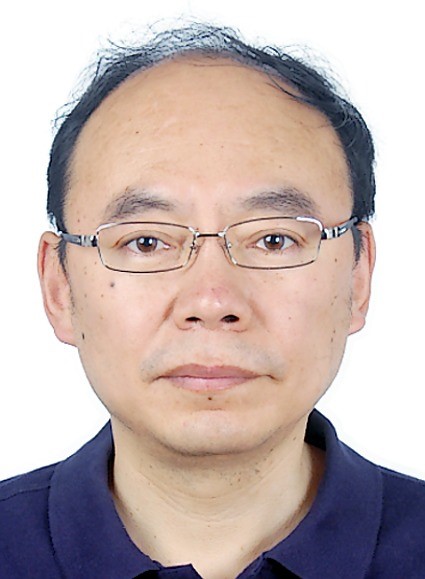
Prof. Jie Yang, Shanghai Jiao Tong University, China
Bio: Jie Yang received a bachelor’s degree in Automatic Control in Shanghai Jiao Tong University (SJTU), where a master’s degree in Pattern Recognition & Intelligent System was achieved three years later. In 1994, he received Ph.D. at Department of Computer Science, University of Hamburg, Germany. Now he is the Professor and Director of Institute of Image Processing and Pattern recognition in Shanghai Jiao Tong University. He is the principal investigator of more than 30 national and ministry scientific research projects in image processing, pattern recognition, data mining, and artificial intelligence. He has published six books,more than five hundreds of articles in national or international academic journals and conferences. Google citation 24964,H-index 81. Up to now, he has supervised 6 postdoctoral, 48 doctors and 70 masters, awarded six research achievement prizes from ministry of Education, China and Shanghai municipality. He has owned 48 patents. Three Ph.D. dissertation he supervised was evaluated as “National Best Ph.D. Dissertation” in 2009, in 2017, in 2019. He has been chairman and keynote speaker of more than 10 international conferences.
Keynote Speaker II
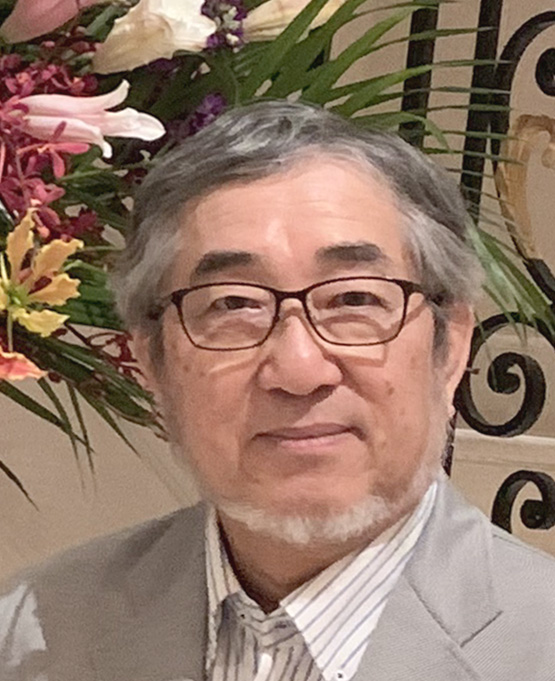
Prof. Hiroshi Fujita, Gifu University, Japan
Bio: Prof. Hiroshi Fujita received Ph.D. degree from Nagoya University in 1983. He was a visiting researcher at the K.Rossmann Radiologic Image Laboratory, University of Chicago, in 1983-1986. He became an associate professor in 1991 and a professor in 1995 in the Faculty of Engineering, Gifu University. He has been a professor and chair of intelligent image information since 2002 at the Graduate School of Medicine, Gifu University. He is now a Research Professor of Gifu University. He is a member of the Society for Medical Image Information (Honorary President), the Institute of Electronics, Information and Communication Engineers (IEICE, Fellow), and the Japan Society for Medical Imaging Technology (Honorary member). He has served as chairman and keynote speaker at many scientific conferences both domestically and internationally. His research interests include computer-aided diagnosis (CAD) system, medical AI, image analysis/processing/evaluation in medicine. He received numerous awards such as the Medical Imaging Information Society Award (2018), RSNA (2001, 6 others), SPIE (1995, 8 others), etc. He has co-authored over 1,000 articles in scientific journals, international conference proceedings, book chapters, and scientific magazines. In 2024, he was recognized in both the “Single-Year” and “Lifetime” categories of the “Top 2% of Scientists in the World” ranking, published by Stanford University and Elsevier.
Invited Speakers
Invited Speaker I
Associate Professor Nian Wang, Advanced Imaging Research Center, UT Southwestern Medical Center, Dallas, Texas, USA
Bio: Dr. Nian Wang is an Associate Professor in the Advanced Imaging Research Center at UT Southwestern Medical Center. My expertise is in developing novel quantitative MRI techniques and analysis methods on the CNS system and musculoskeletal system. His lab has extended the research on the technical development and methodology innovation in medical imaging and Artificial Intelligence (AI) and their translation to MRI, x-ray, and optical imaging. He has published more than 70 papers in reputed journals and been invited to devliver talks in many international conferences.
Speech Title: High-resolution MRI Predicted Whole Mouse Brain Cell Type Atlas using Multi-modal Fusion Network (MFNet)
Speech Abstract: Mapping brain cell types with high spatial precision is fundamental for understanding brain structure and function. Traditional cell atlases, such as the Allen Brain Cell Atlas, rely on labor-intensive techniques like single-cell sequencing and spatial transcriptomics, often at limited spatial resolution. In this study, we present a deep learning framework—Multi-modal Fusion Network (MFNet)—that predicts neuronal cell types across the whole mouse brain by integrating high-resolution diffusion MRI (dMRI) and multi-modal datasets from the BICCN mouse brain atlas. Using the Allen Brain Cell Atlas as ground truth, we trained MFNet to predict dominant neuronal cell neighborhoods and classes, taking advantage of regional specificity and hierarchical cell-type structures. High-resolution (45 µm isotropic) ex vivo dMRI was acquired and processed with multiple diffusion models (DTI, DKI, NODDI, SANDI), then registered to the Allen Mouse Brain Common Coordinate Framework (CCFv3), along with spatial transcriptomics and epigenomics data. MFNet produces a full-scale cell type atlas at 10 µm isotropic resolution, significantly enhancing the spatial detail of the original atlas. Additionally, we examined correlations between dMRI features and gene expression of marker genes. This study offers a novel, efficient method for generating high-resolution brain cell atlases and demonstrates the potential of advanced imaging combined with deep learning to decode brain cellular architecture and its relevance to development and disease.
Invited Speaker II
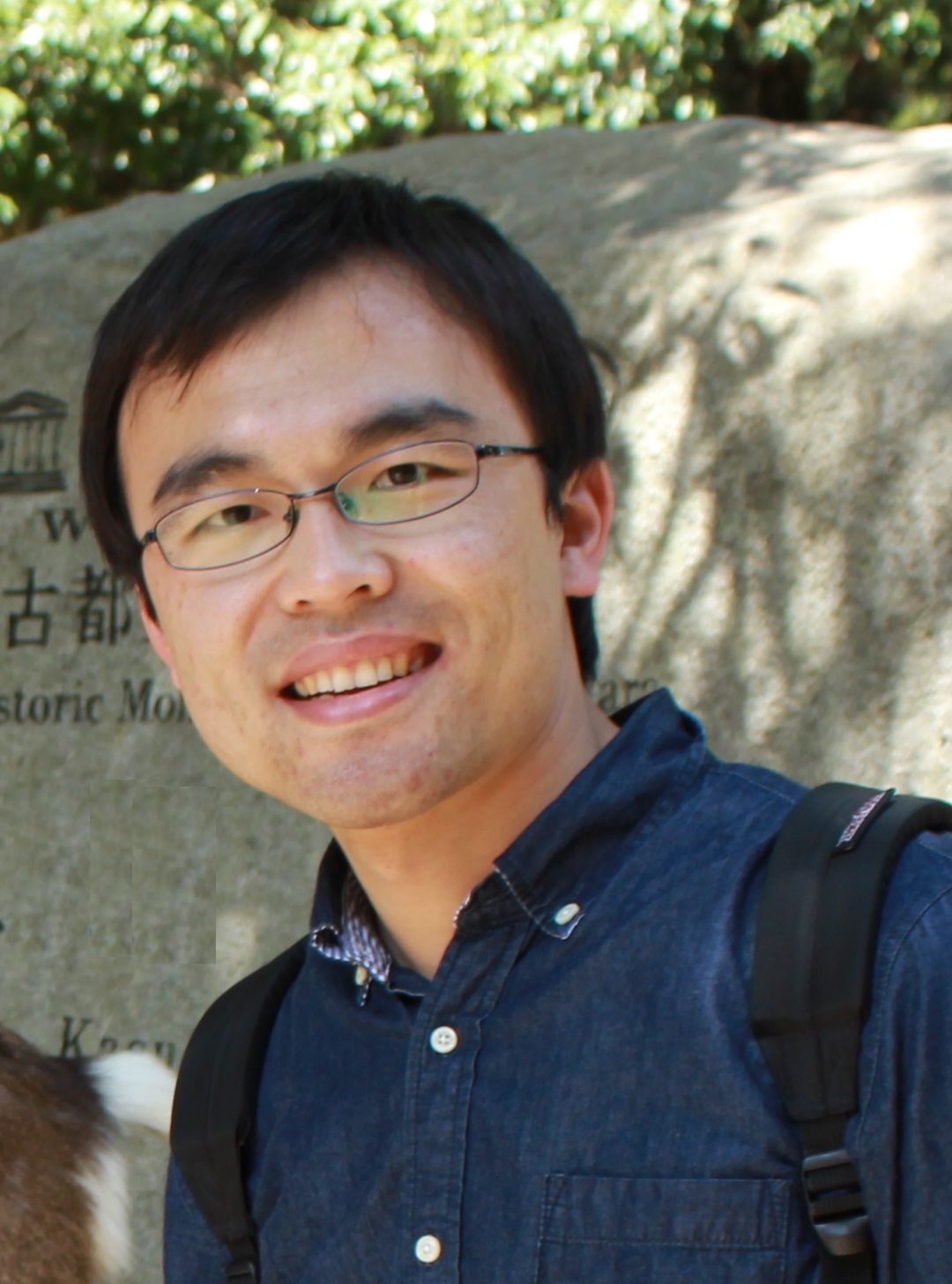
Associate Professor Yanlei Gu, Hiroshima University, Japan
Bio: Dr. Yanlei Gu received his Ph.D. from Nagoya
University. He subsequently worked as a researcher at the University of
Tokyo and was awarded a Japan Society for the Promotion of Science (JSPS)
Postdoctoral Fellowship for Overseas Researchers. In 2019, he joined
Ritsumeikan University as a Lecturer, and since 2024, he has been an
Associate Professor at Hiroshima University. He also serves as a Visiting
Researcher at the University of Tokyo.
His research interests include Autonomous Driving, Intelligent
Transportation Systems (ITS), Machine Learning, and Computer Vision. He has
published more than 120 peer-reviewed journal and international conference
papers. His research has received several awards, including Best Paper
Awards and other honors from IEEE and international conferences.
He is a member of the IEEE Intelligent Transportation Systems Society and
the IEEE Consumer Technology Society. He has served on the organizing
committees of IEEE ICVES 2015 and IEEE ITSC 2017, as well as on the
technical program committees of ICIPRob 2021, 2022, 2024, and 2026.
Invited Speaker III
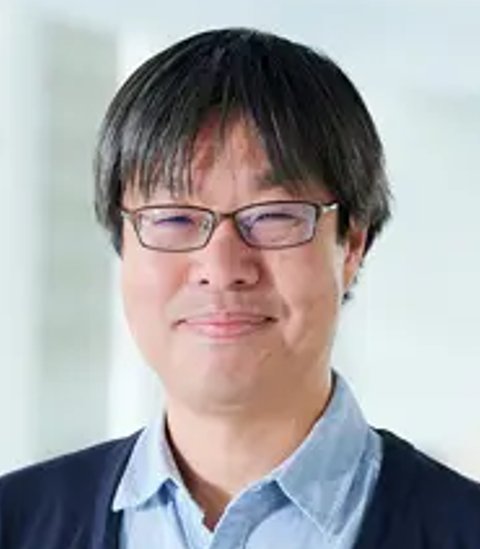
Associate Professor Kazuya Ueki, Meisei University, Japan
Bio: He received his B.S. degree in Information Engineering in 1997 and his M.S. degree in Computer and Mathematical Sciences in 1999, both from Tohoku University, Sendai, Japan. In 1999, he joined NEC Soft, Ltd., Tokyo, Japan, where he was mainly engaged in research on face recognition. He received his Ph.D. degree from the Graduate School of Science and Engineering, Waseda University, Tokyo, Japan, in 2007. From 2013 to 2017, he served as an Assistant Professor at Waseda University. He is currently an Associate Professor in the School of Information Science, Meisei University. His research interests include information retrieval, video anomaly detection, pattern recognition, and machine learning. He is involved in the video retrieval evaluation benchmark (TRECVID) sponsored by the National Institute of Standards and Technology (NIST), contributing to the development of video retrieval technology. His submitted systems achieved the highest performance in the TRECVID AVS task in 2016, 2017, 2022, and 2025.
Invited Speaker IV
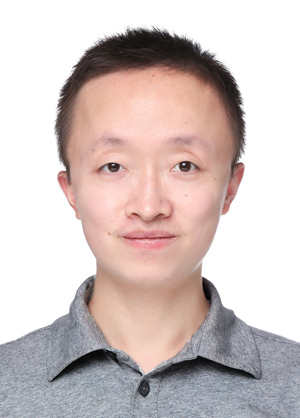
Associate Professor Zichi Wang, Shanghai University, China
Bio: Zichi Wang received the BS degree in
electronics and information engineering from Shanghai University, China, in
2014, and received the MS degree in signal and information processing in
2017, the PhD degree in information and communication engineering from the
same university in 2020. He is currently with the School of Communication
and Information Engineering, Shanghai University, Shanghai, as an Associate
professor. His research interests include steganography, steganalysis, and
artificial intelligence security. He has published over 100 papers in these
areas. He has served as an invited speaker for several international
conferences, including ACMLC 2026 and AIintelli Vision 2027, served as a
program chair of international conference AAIP 2027, served as chair of
special session for several international conferences, including AAIP 2025,
AAIP 2026, and IEEE PRMVAI 2026 and ACMLC 2026, and served as a TPC member
for several international conferences, including ICECI 2022, AAIP 2025, CCIE
2026, IEEE PRMVAI 2026, ACMLC 2026 and ICITAC 2027.
Speech title: Steganography in Neural Networks.
Speech Abstract: Steganography aims to achieve covert communication
by hiding secret data into a normal cover and transmitting it over a public
channel, which is significant for national information security. Traditional
steganography transmits secret data through multimedia such as image, audio
and video. Neural network model is a new type of data which grows rapidly in
recent years and is widely used. Steganography for neural network models is
an emerging research field that needs to be developed. Compared with
multimedia, neural network model has complex structure, wide variety and
large number of parameters. For this reason, traditional steganographic
methods cannot be used for neural network model directly. This speech will
discuss the secure steganography for neural network models.
Invited Speaker V
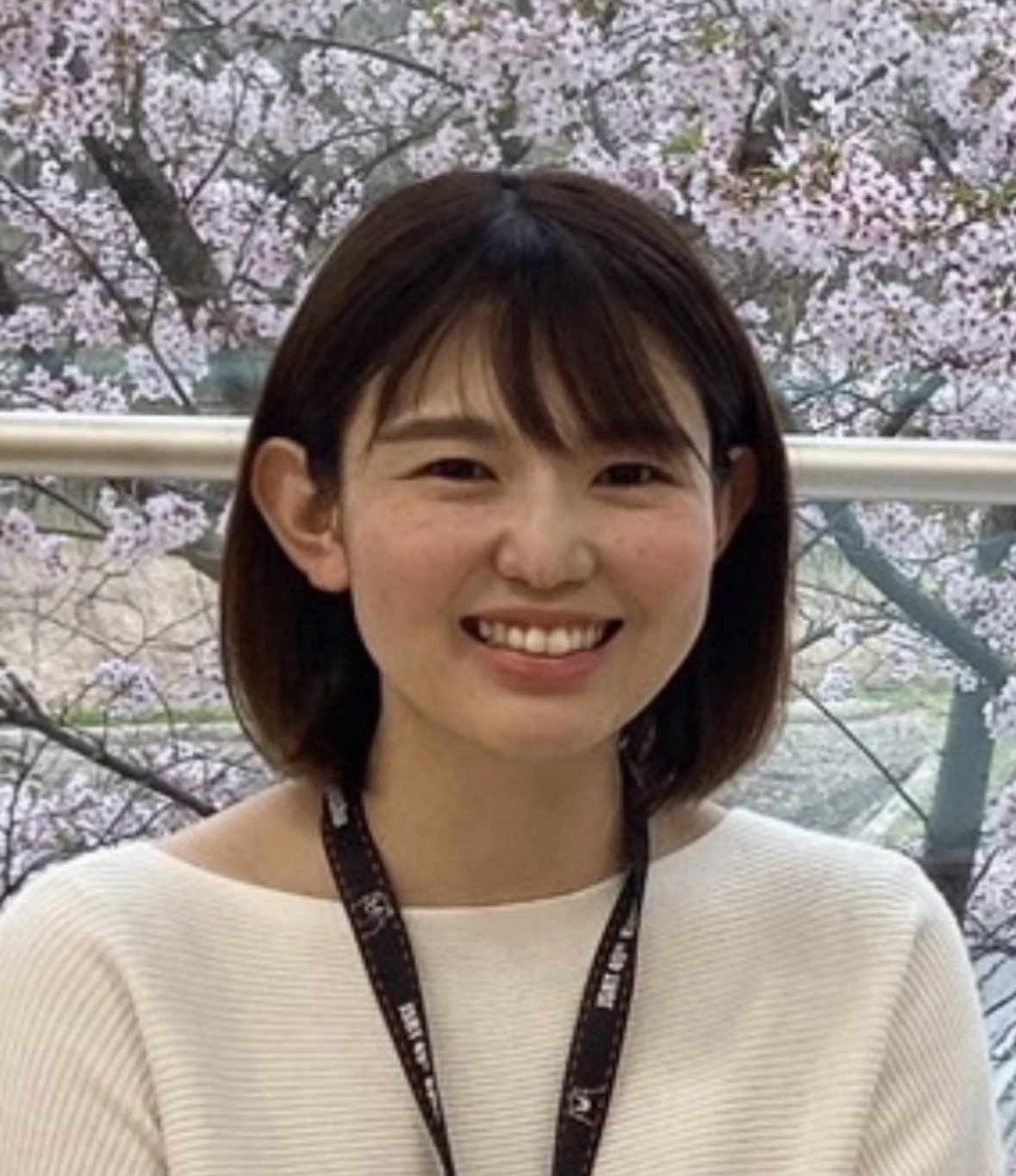
Dr. Chiharu Kai, Fujita Health University, Japan
Bio: She received her M.S. degree in Health Sciences from Kumamoto University in 2019. She joined Konica Minolta, Inc. in 2019, where she was engaged in research on medical image processing. She served as an Assistant Professor at Niigata University of Health and Welfare from 2022 to 2025, where she also received Ph.D. degree in 2025. She is currently an Assistant Professor in the School of Medical Sciences at Fujita Health University. Her research interests include medical image analysis, artificial intelligence (AI), and computer-aided diagnosis (CAD). Her research focuses on developing predictive AI systems for early breast cancer detection using mammograms.